Podcast Launch Guide
How to Start a Podcast the Right Way
A practical podcast launch guide for entrepreneurs, brands, and creators who want to start a podcast with clarity, professionalism, and long-term purpose.
This guide walks through the essential decisions, steps, and structure required to launch a podcast that sounds credible and supports real goals.
Clarity before content.
Structure before scale.
Why Most Podcasts Fail Before They Gain Momentum
Starting a podcast is easy. Sustaining one is not.
Many podcasts fade out after a handful of episodes due to unclear goals, inconsistent production, or technical missteps made at launch. Without structure, podcasting becomes reactive instead of intentional.
This podcast launch guide exists to help you avoid those early mistakes by focusing on clarity, preparation, and professional execution from the beginning.
Step 1
Define the Purpose of Your Podcast
Every successful podcast starts with intention.
Before recording your first episode, you need clarity around why your podcast exists and what role it plays within your brand, business, or creative platform.
Questions to Answer Before You Start
Who the podcast is for?
What problem or interest it serves?
Why it should exist?
How it supports broader goals?
What success looks like?
Step 2
Choose the Right Podcast Format
Your format determines how your podcast feels to listeners and how sustainable it is for you long term.
Selecting the right format early prevents unnecessary changes that disrupt consistency and audience trust.
Common Podcast Formats
- Solo host
- Interview-based
- Co-hosted discussion
- Narrative storytelling
- Branded or corporate podcast

Step 3
Build a Realistic Content Plan
Consistency matters more than volume.
A realistic content plan helps prevent burnout while maintaining momentum. Planning ahead allows your podcast to grow intentionally instead of episode by episode.
Content Planning Considerations
- Episode length
- Release frequency
- Topic scope
- Seasonal structure
- Long-term sustainability
Step 4
Understand the Technical Requirements
Podcasting involves more than pressing record.
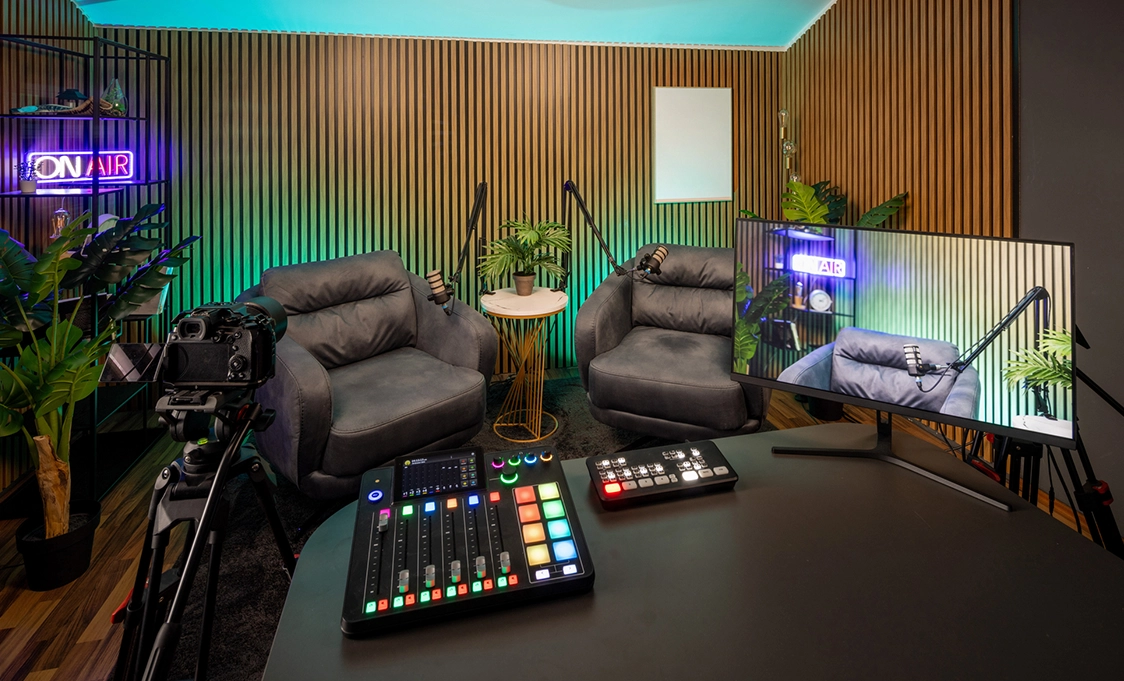
Audio quality, recording environment, hosting setup, and distribution all affect how your podcast sounds and how it is discovered. Technical clarity at this stage prevents problems later and ensures your podcast launches smoothly across platforms.
Core Technical Elements
- Microphone selection
- Recording environment
- Audio recording software
- Podcast hosting platform
- RSS feed configuration
- Metadata accuracy
- File formatting standards

Step 5
Create a Strong Podcast Trailer
A podcast trailer introduces your show to new listeners and platforms.
It establishes expectations and encourages subscriptions before full episodes are released.
Trailer Essentials
Clear show purpose
Target audience definition
Episode format explanation
Value proposition
Step 6
Understand the Technical Requirements
Podcasting involves more than pressing record.
Audio quality, recording environment, hosting setup, and distribution all affect how your podcast sounds and how it is discovered. Technical clarity at this stage prevents problems later and ensures your podcast launches smoothly across platforms.
Core Technical Elements
- Microphone selection
- Recording environment
- Audio recording software
- Podcast hosting platform
- RSS feed configuration
- Metadata accuracy
- File formatting standards
From Launch to Long-Term Growth
Launching a podcast is only the beginning.
Podcasts that grow consistently rely on structure, workflow, and reliable production support. Many podcasters begin with a launch-focused approach and later transition into ongoing production once momentum builds.
Two Paths After Launch
Different podcasters move forward in different ways.
Path 1
Path 2
Maintain Independently
Some podcasters choose to maintain their show independently after launch. This path works best when the format is clearly defined, the workflow is repeatable, and the release schedule is realistic. Independent production requires discipline, organization, and comfort managing both creative and technical responsibilities. When executed well, this approach allows for flexibility and control, but it also demands consistency to avoid stalled momentum.
Ongoing Professional Production
Other podcasters transition into ongoing professional production once their show gains traction. This path prioritizes consistency, refinement, and scalability through monthly production support. With professional oversight, audio quality remains reliable, content evolves intentionally, and production workflows become smoother over time. Ongoing support allows the podcast to grow without increasing the host’s workload, making it easier to treat the show as a long-term platform rather than a short-term project.
Ready to start?
Ready to Launch Your Podcast With Confidence?
If you’re serious about starting a podcast and want to avoid early missteps, a structured approach makes the difference.
We use an integrated calendar system so you can book directly and speak with Patrick about your podcast goals and next steps.
Answers to our most frequently asked questions
If you have any additional questions or concerns not addressed in our FAQs, please don’t hesitate to contact us.
How long does it take to start a podcast?
Timelines vary depending on preparation and scheduling.
Do I need expensive equipment to start a podcast?
No. Proper setup and environment matter more than cost.
Should I launch with one episode or multiple?
Launching with multiple episodes improves early engagement.
Is podcasting effective for business growth?
Yes. When structured properly, podcasts support authority and trust.
Can I upgrade to professional production after launching?
Yes. Many podcasters transition into ongoing production after launch.
Consulting
Ready to Build a Podcast That Represents Your Brand?
If you’re serious about podcasting and want a production partner who understands both sound and strategy, the next step is simple.
We use an integrated calendar so you can book a call directly and speak with Patrick about your goals, your ideas, and the best path forward.


